Ever wonder why more and more people in areas like Arlington, Camano Island, Lake Stevens, Marysville, Stanwood, WA, and the surrounding areas are choosing metal roofing lately? It’s not just about looks. These roofs can last three times as long as traditional shingles—sometimes even outlasting the house itself.
Most homeowners replace asphalt shingles every 15 to 25 years. That’s three roofs over 50 years. With metal, you’re done after one installation.
This guide breaks down what actually affects metal roofing durability, how different materials compare, and what you need to do to hit that maximum lifespan.
How Long Does a Metal Roof Typically Last?
Average Lifespan of Metal Roofs
Here’s the straight answer: 40 to 70 years with decent installation and basic upkeep. Premium materials can push even further.
Think about that. One metal roof could still be protecting your home when your grandkids inherit it. Meanwhile, asphalt shingles would need to be replaced three times during that same period.
What makes the difference? Metal doesn’t crack like asphalt. Doesn’t rot like wood. Insects leave it alone. The weather that wrecks other materials barely touches it. But you don’t automatically get 70 years just by buying metal—you need to pick the right type, get it installed properly, and handle basic maintenance.
Lifespan by Material Type
Different metals deliver different results:
| Metal Type | How Long It Lasts | What You Should Know |
| Steel | 40–60 years | Most cost-effective option; requires quality protective coatings to prevent corrosion |
| Aluminum | 50–70 years | Lightweight and naturally rust-resistant; ideal for coastal or high-moisture environments |
| Copper | 70+ years | Premium material that develops a natural green patina; extremely durable with minimal upkeep |
| Zinc | 60–100 years | Self-healing surface repairs minor scratches; longest lifespan but highest upfront cost |
The lifespan of steel roof systems hits 40-60 years when you maintain the coating properly. The lifespan of aluminum roof materials stretches 50-70 years without breaking a sweat. Copper roof lifespan and zinc roof lifespan blow everything else away—copper regularly cruises past 70 years, and zinc can hit a full century.
Key Factors That Affect Metal Roof Longevity
Metal roof longevity isn’t just about material choice. Multiple factors work together to determine whether your roof lasts 40 years or pushes 70+.
Installation Quality
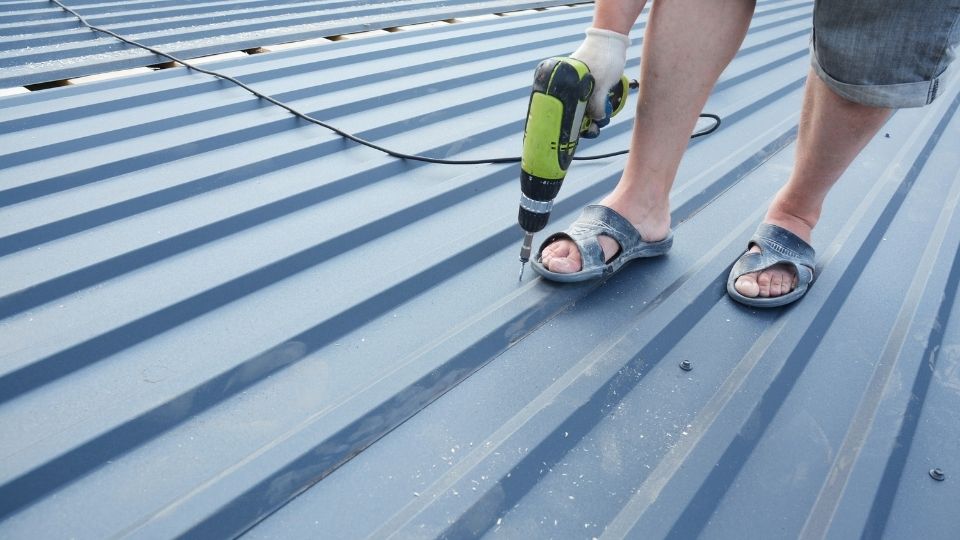
According to the top metal roofing contractors in Stanwood, WA, poor installation kills even premium materials. Here’s what proper installation requires:
- Panels aligned precisely with fasteners placed correctly
- Seams sealed properly to keep water out
- Space for thermal expansion and contraction
- Detailed flashing around chimneys, vents, and transitions
- Adequate structural support for expected loads
Mess up any of these, and you’ve created stress points, water entry, and early failure. Material quality won’t save you.
Climate & Weather Conditions
| Climate Challenge | What It Does to Your Roof | How to Protect It |
| Salt air (coastal) | Accelerates corrosion on unprotected steel | Choose aluminum or copper, which resist salt exposure |
| Heavy rainfall | Standing water gradually degrades protective coatings | Ensure proper roof pitch and efficient drainage |
| Temperature extremes | Expansion and contraction create long-term stress points | Professional installation with correct fastening systems |
| Frequent hail | Causes denting and damages surface coatings | Use thicker-gauge metal with impact-resistant finishes |
Where you live dramatically impacts performance. Roof weather resistance is excellent with metal, but match your material to local challenges.
Maintenance Requirements
Metal roofs need less attention than alternatives, but they’re not maintenance-free. Extending metal roof lifespan means catching small problems before they become expensive ones.
Fix loose fasteners when you spot them. Treat surface damage early before it spreads. Keep drainage systems flowing properly. That’s pretty much it.
1. Roof Design Elements
Steeper roofs shed water and debris faster—simple physics. Flatter designs work fine, but need extra attention to sealing and drainage. Standing water speeds up coating breakdown and creates corrosion risks you don’t want.
2. Coating Systems
Quality coatings provide your first line of defense against the elements. Corrosion prevention for metal roof systems depends heavily on coating integrity. Premium finishes protect for 30+ years. Cheaper coatings start failing around 15 years.
Energy Savings Backed by Government Research
In climates like Washington’s, where summers can still push cooling systems hard, metal roofing delivers benefits beyond its lifespan. Its energy performance has been studied, measured, and backed by real data.
According to the U.S. Department of Energy, cool metal roofs stay up to 60°F cooler than traditional black roofs during summer. That’s not marketing—that’s measured data.
Furthermore, a study funded by the U.S. Department of Energy and conducted by Oak Ridge National Laboratory tested various metal roof configurations between 2009 and 2013. Their findings reveal:
- 45% decrease in heat flow through metal roofs compared to asphalt shingles
- Up to 25% reduction in cooling expenses
- Metal roofs reflect up to 70% of solar energy away from buildings
Signs Your Metal Roof Is Aging or Failing
Watch for these metal roof aging signs:
- Rust or corrosion is eating through panels in multiple spots
- Coating peeling off or chalking across large areas
- Fasteners deteriorating, loosening, or backing out
- Panels warping, buckling, or showing distortion
- Water stains appearing on interior ceilings
- Strange noises during storms you didn’t hear before
Any of these means you need a professional metal roof inspection soon. Catching problems early saves money.
Maintenance That Actually Extends Lifespan
Want to hit maximum lifespan? Do these things:
1. Get Annual Inspections
Schedule professional metal roof inspection services yearly. Someone who knows what to look for can spot developing problems before they cost you thousands.
2. Keep It Clean
Top metal roofing contractors near Arlington, WA, recommend removing debris that traps moisture against your roof. Leaves and organic matter sitting up there break down coatings faster than you’d think. Twice yearly is usually enough.
3. Fix Damage Immediately
Scratches, dents, and rust spots need attention now, not later. Early treatment stops corrosion from spreading under protective coatings where you can’t see it.
4. Maintain Gutters
Clogged gutters back up water onto the roof edges. Keep them clear, so water flows off as it should.
5. Trim Trees
According to the leading metal roofing experts in Camano Island, WA, overhanging branches scratch coatings and dump excessive debris. Trim them back.
6. Recoat When Needed
Professional recoating restores protection when factory finishes wear down significantly. This can add another 15-20 years of service life.
When Replacement Makes Sense
Eventually, metal roof replacement signs become obvious:
- Structural corrosion compromising panel integrity
- Persistent leaks that resist repair attempts
- Extensive damage across large roof sections
- Coating failure is too widespread to fix economically
- Roof approaching or exceeding the expected material lifespan for its type
At this stage, continued repairs provide diminishing returns. New installation makes more financial sense.
The Bottom Line
Metal roofing represents a smart long-term investment when done right. Pick appropriate material for your climate. Get professional installation. Handle basic maintenance. Your roof will protect your property for decades.
Understanding factors affecting roof lifespan helps you maximize what you paid for. Yes, metal costs more upfront. But replacing asphalt shingles three times over 50 years—with all that labor, disposal, and disruption—costs way more in the end.
For homeowners considering metal roofing in Arlington, Camano Island, Lake Stevens, Marysville, Stanwood, WA, and the surrounding locations, working with experienced local contractors ensures proper installation and material selection for Pacific Northwest weather conditions.
S&S Roofing LLC provides comprehensive metal roof installation, inspection, maintenance, and replacement services throughout these Washington communities.
Contact S&S Roofing LLC today to schedule a professional assessment and discuss how metal roofing can protect your property for decades to come.